
What Barre Pilates Is and Why I Tried It
I first came across barre pilates when I was looking for a workout that felt structured, low-impact, and beginner-friendly. At first glance, it looked simple: a ballet-inspired class with small movements, a barre for support, and an emphasis on control rather than speed. But once I tried it, I realised it was much more than a graceful fitness trend. It was a full-body workout that challenged balance, posture, and endurance in ways I did not expect.
Barre pilates combines elements from ballet, pilates, and functional strength training. The movements are usually small and precise, which means the focus is less on jumping around and more on holding, pulsing, and engaging the right muscles. For someone like me, who wanted something effective without feeling too intense, it made sense. I could work hard, but still keep things gentle on my joints.
How a Typical Barre Pilates Class Feels
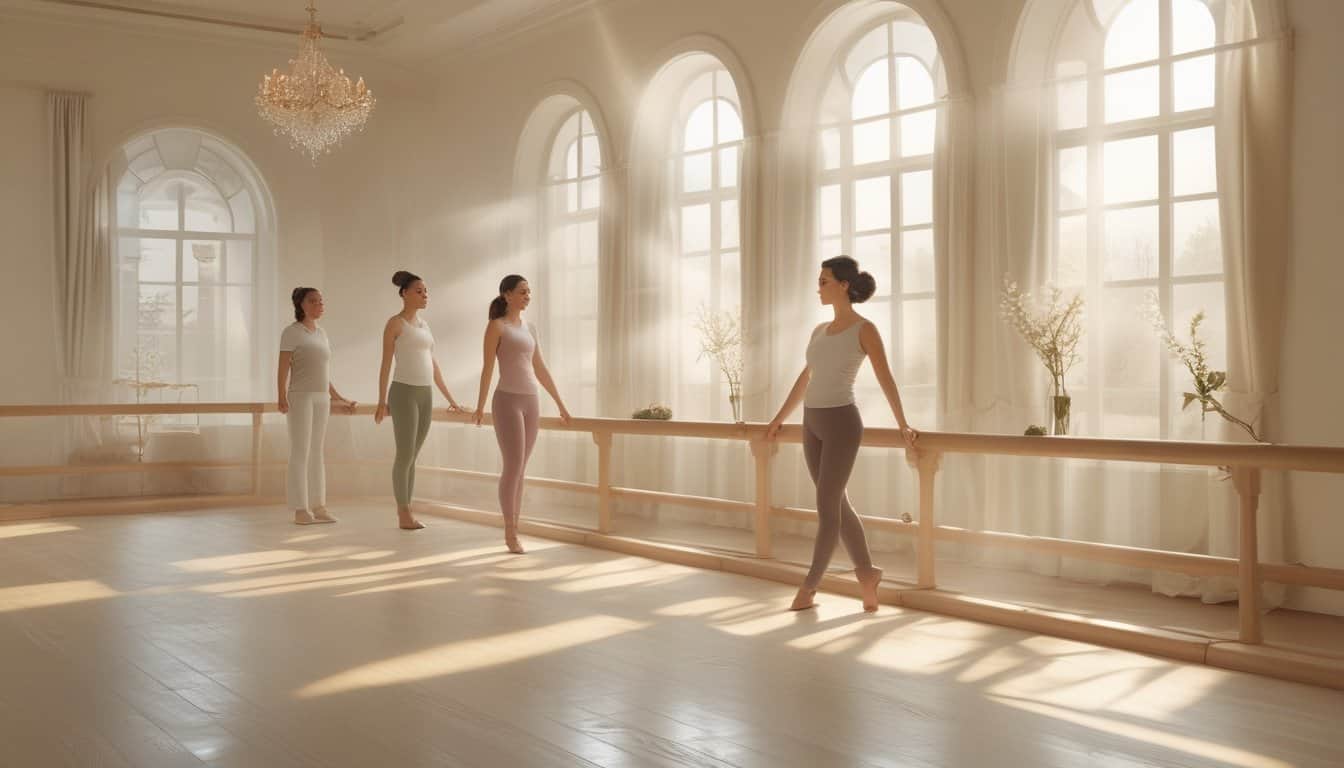
The first time I stepped into a barre pilates class, I noticed the calm atmosphere straight away. The room was usually set up with a barre, a mat, and sometimes light weights or a small ball. The instructor guided us through a warm-up, then moved into exercises for the legs, glutes, core, arms, and back. Even though the moves looked small, I quickly learned that they could burn in a very real way.
What stood out to me most was the pacing. A class often moves smoothly from one exercise to another, with very little wasted time. There is a strong focus on alignment, breathing, and posture, so I had to pay attention to how I stood and moved. That made the workout feel thoughtful rather than rushed, and it helped me understand my body better as I went along. Related source: https://la-pilatesstudio.com/barre-pilates/.
The Benefits I Noticed as a Beginner
As a beginner, I found barre pilates easier to approach than some other workouts because I did not need advanced flexibility or dance experience. The classes were usually adaptable, and I could modify movements when needed. That gave me confidence, especially when I was still learning the basics and did not want to feel left behind.
Over time, I noticed a few benefits that kept me coming back. My posture improved because I became more aware of how I carried myself. My core felt stronger from the repeated controlled movements. I also appreciated that barre pilates gave me a good workout without feeling overly harsh on my body. For someone who wants consistency, that balance matters a lot.
What I Learned About Technique and Form
Small Movements Need Real Control
One of the biggest lessons I learned was that small movements can still be very demanding. In barre pilates, a tiny pulse or hold can feel tougher than a larger movement if the muscles are working properly. At first, I wanted to move bigger to feel like I was doing more, but the class taught me that control matters more than size.
That shift in mindset helped me slow down and focus on muscle engagement. Instead of rushing through the motions, I paid attention to how the exercise felt and whether I was using the right muscles. It made the workout more effective and less like I was just going through the steps.
Posture and Breathing Make a Difference
I also realised that good posture and steady breathing are central to barre pilates. If I slouched or held my breath, the movements became harder and less efficient. When I lifted through my spine and breathed evenly, I felt more stable and in control.
This became especially important during standing leg work and core exercises. The better my alignment, the more I could feel the target muscles doing their job. That made the class feel more connected to pilates principles, not just a series of fitness drills.
Common Challenges and How I Dealt With Them
Like many beginners, I did not get everything right straight away. Some movements felt awkward, especially when I had to hold a position while pulsing through my legs or arms. My balance was not perfect, and my muscles tired faster than I expected. Instead of seeing that as a problem, I started treating it as part of the learning process.
What helped most was giving myself permission to modify. I used the barre for support when needed, took breaks when my form started slipping, and focused on finishing the class rather than performing perfectly. That mindset made barre pilates feel more accessible and less intimidating. I could improve gradually without pressuring myself to keep up with everyone else.
Why Barre Pilates May Work for Everyday Fitness
What I appreciate most about barre pilates is how practical it feels for everyday life. It builds strength, but in a way that supports movement rather than just chasing intensity. It also encourages better posture, body awareness, and control, which can be useful beyond the class itself. Even simple daily activities can feel easier when I am moving more efficiently.
For me, barre pilates works because it fits into a realistic routine. It does not require complicated equipment, and it can suit people who want a gentler but still challenging workout. According to the American Council on Exercise, barre-style training can improve muscular endurance and flexibility when practised consistently, especially when paired with good technique and regular movement habits (American Council on Exercise, n.d.). That matches my own experience: progress comes from repetition, not from trying to do everything perfectly at once.